RFID media: cards, key fobs, wristbands and more
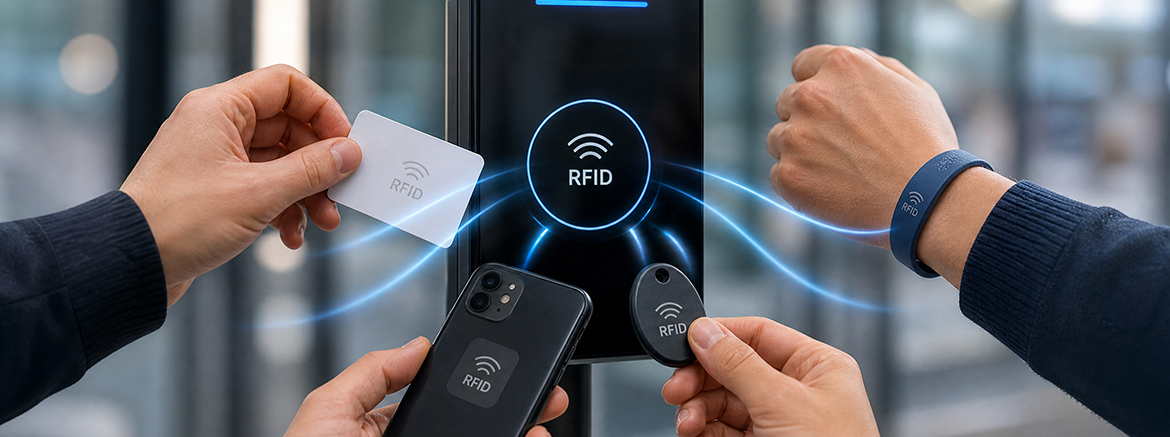
RFID (Radio Frequency Identification) enables contactless identification and data transmission via radio waves – without line of sight, without a battery in the transponder, and reliably even in harsh conditions. Whether for access control, time and attendance, logistics or event management: RFID technology simplifies processes and enhances security within organisations. All About Cards offers the full range of RFID media – customisable, professionally printed and available in all standard chip technologies.
A Comparison of RFID Media Types
Depending on the application, environmental conditions and budget, different types of RFID media may be appropriate.
All About Cards offers all standard types of RFID media:
| Data Carrier | Frequency | Typical Application | Strength | Individualisation |
|---|---|---|---|---|
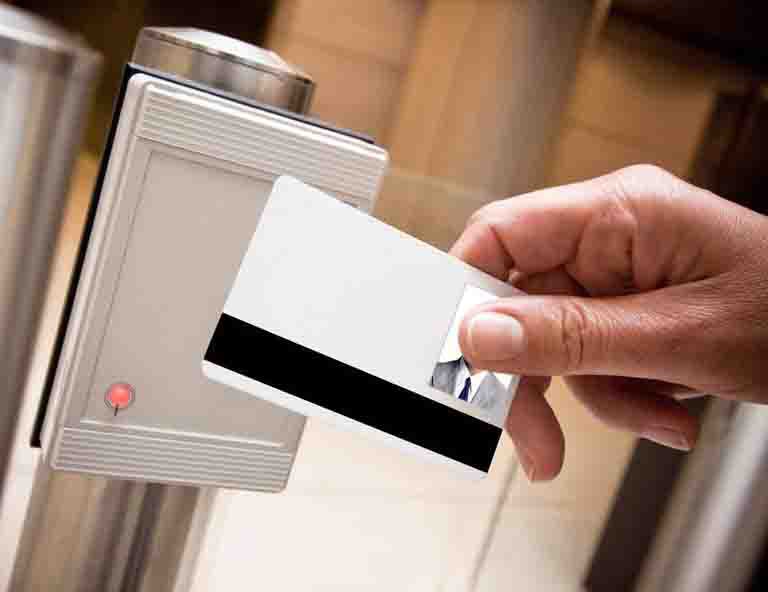
| RFID-Cards | 125 kHz / 13,56 MHz | Access control, workforce management, staff ID cards, ticketing, payment function | Credit card size (ISO 7810), takes up little space in a wallet, robust, widely accepted and compatible with standard access control systems | Double-sided colour printing, embossing, coding and lamination |
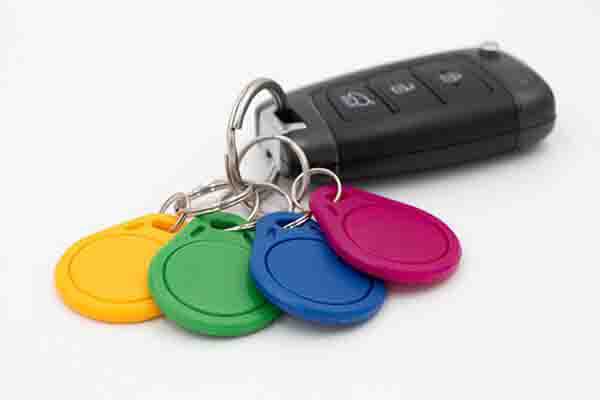
| RFID-Key Fobs | 125 kHz / 13,56 MHz | Staff identification, access control, workforce or visitor management | Sturdy ABS casing, always to hand on your key ring, scratch-resistant and particularly durable | Available printed, laser-engraved, numbered or in your company’s branding |
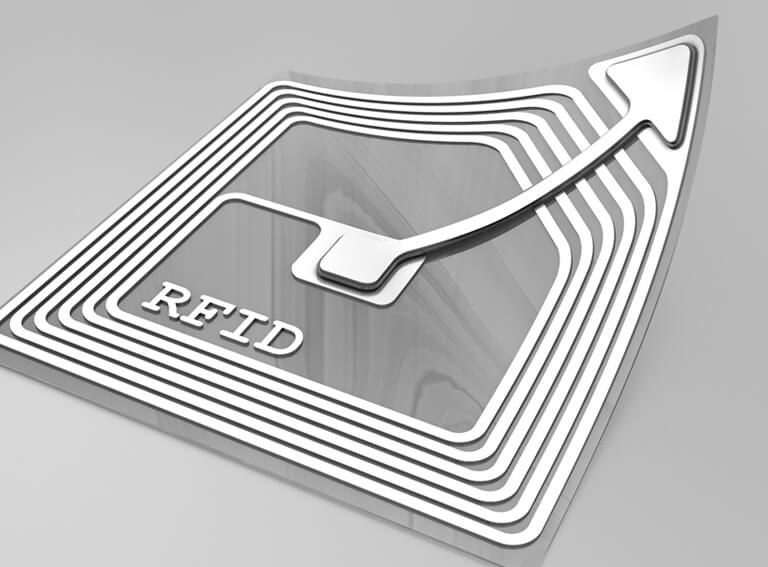
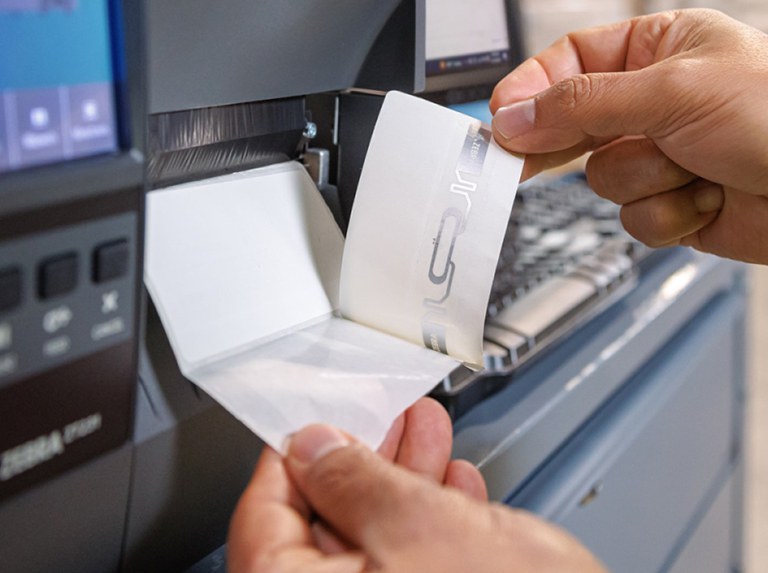
| RFID-Stickers & Labels | 125 kHz / 13,56 MHz / UHF | Asset tracking, logistics, anti-theft measures, vehicle identification, stock-taking | Can be used flexibly on almost any surface; special versions available for metal and glass surfaces | Printed, cut to size and can be numbered |
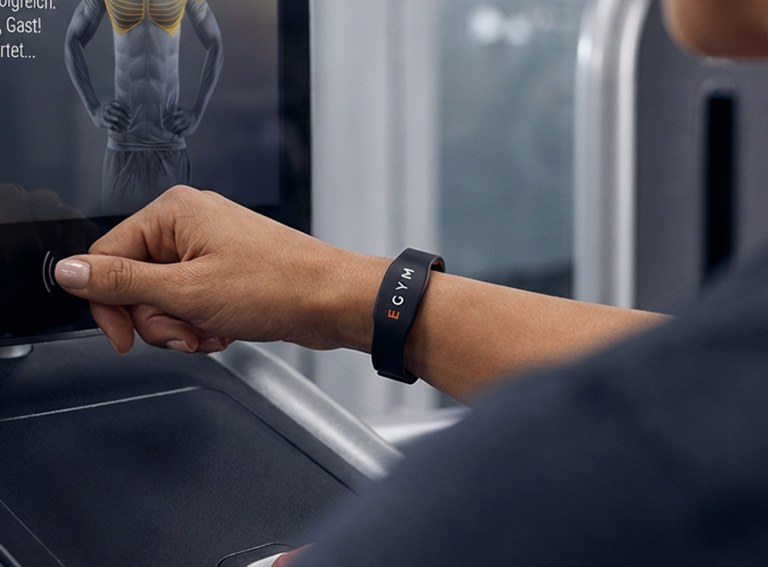
| RFID-Wristbands | 125 kHz / 13,56 MHz | Events, amusement parks, swimming pools, gyms, hospitals | Waterproof, comfortable to wear and available in silicone, fabric or as a disposable version | Choice of colours, logo printing, personalisation and single-use options for events |
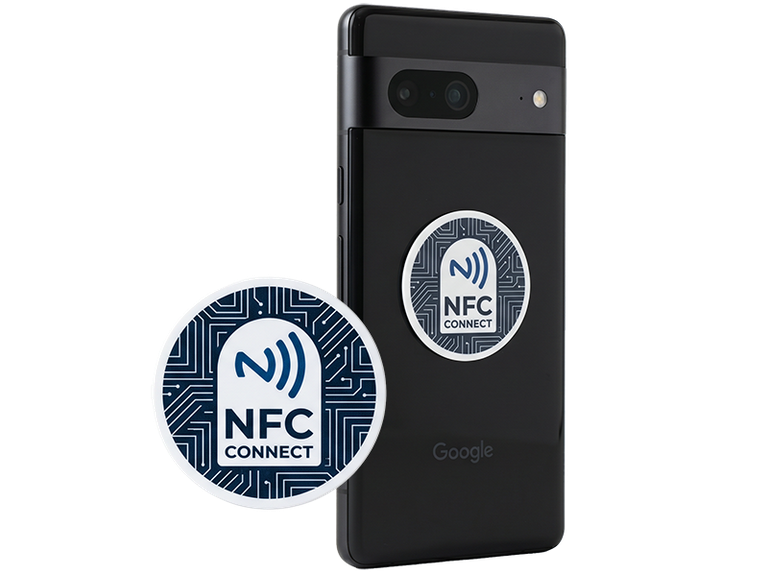
| NFC-Tags | 13,56 MHz (NFC standard) | Smartposters, contactless payments, digital business cards, app control via smartphone | Compatible with all NFC-enabled smartphones, freely programmable NDEF data and a range of up to approx. 10 cm | Available in a range of shapes and sizes, and suitable for printing |
| RFID Special Shapes | Depending on requirements | OEM projects, industrial automation, vehicle identification, signage solutions | Customised housing designs (disc, nail, suitable for embedding in concrete), heat-resistant and designed for extreme environments | Manufactured entirely to customer specifications |
FAQ on RFID media
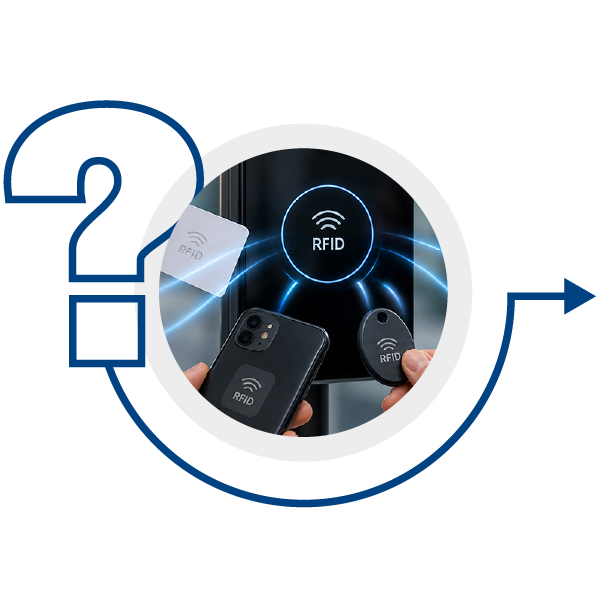
What is RFID?
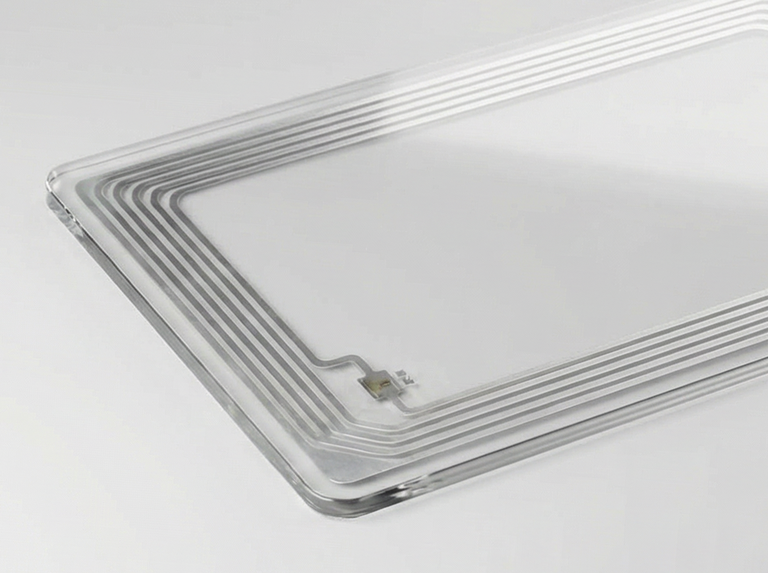
RFID stands for Radio Frequency Identification. An RFID system transmits data contactlessly via radio waves between a RFID tag (a transponder with a chip and antenna) and a reader. Passive RFID tags don't need their own battery: they draw their energy from the radio signal emitted by the RFID reader. This makes RFID media particularly durable and low-maintenance.
How exactly does RFID work?
The reader emits an electromagnetic field, which is picked up by the RFID tag. The tag's antenna converts the signal into electrical energy and powers the chip - without any battery at all. The chip then transmits its stored data back to the reader. Depending on the frequency (125 kHz in the LF range or 13.56 MHz in the HF/NFC range), the range and area of application vary. LF systems achieve approximately 10–50 cm, HF/NFC systems up to around 1 m, and UHF systems several metres.
What components and types of RFID systems are there?
An RFID system consists of an RFID tag (transponder), an RFID reader (stationary or mobile) and controlling software. In terms of frequency, a distinction is made between low frequency (LF, 125 kHz), high frequency (HF, 13.56 MHz – including NFC) and ultra-high frequency (UHF, 860–960 MHz). Passive tags have no battery of their own; active tags have their own power source and achieve significantly greater ranges. All About Cards offers RFID media in LF and HF across all common chip technologies (MIFARE, LEGIC, Hitag, ICode and many more).
What examples of RFID are there in everyday life?
We encounter RFID every day: access cards in the office, contactless bank cards in our wallets, electronic passports, library cards, public transport tickets, warehouse logistics in retail, animal identification (microchips), toll systems and NFC payments via smartphone. In industry, RFID tags are used for product tracking, vehicle identification and tool management.
How do RFID and NFC differ? What is the advantage of NFC?
What does RFID in your wallet mean – and how worthwhile is RFID protection?
What are the disadvantages of RFID?
What RFID media does All About Cards offer?